

Niche vs Designer Fragrances: The Complete UK Guide (2026)
Quick Answer: Designer fragrances are made by fashion houses in huge batches (think Dior, Chanel, YSL) — safe, versatile, built for mass appeal, priced £50-£150. Niche fragrances are made by dedicated perfume houses in small batches using rarer materials — bolder, more unusual, more expensive (£100-£500+), and hard to find on the high street. Niche isn't automatically better — it's just different. The right one depends on what you want your fragrance to do.
So what actually is a niche fragrance?
Let's clear this up straight away, because the word "niche" gets thrown around like confetti these days.
A niche fragrance is made by a house whose entire job is creating perfume. Not a handbag brand. Not a fashion designer. Not a celebrity. A perfume house.
Think Maison Francis Kurkdjian. Parfums de Marly. Xerjoff. Roja. Creed. These brands don't sell dresses or sunglasses. They sell scent. Full stop.
Because that's all they do, they get to play. They use rarer ingredients. They take more creative risks. They produce in small batches — sometimes a few hundred bottles, sometimes a few thousand. Most niche fragrances will never go on a TV advert. You won't see them on an airport billboard.
That's the whole point.
And a designer fragrance?
Easier one. A designer fragrance is made by a fashion brand — Dior, Chanel, YSL, Tom Ford, Armani, Versace. The perfume is one product line inside a much bigger company.
They're built to sell everywhere — department stores, airports, Boots, Amazon, Sephora. They need to appeal to as many people as possible in as many countries as possible. So they're formulated to be safe, versatile, and broadly likeable.
That's not an insult. Sauvage, Bleu de Chanel, Libre, Black Opium — these are designer fragrances. They've built empires because millions of people love them. And they should.
But it does mean designer fragrances play it safer. They're the pop song of the fragrance world. Massive chorus. Easy to sing along. Not a criticism — just what they are.
The real differences (side by side)
Here's where the gloves come off. When you compare a niche and a designer fragrance, five things change.
1. Production scale
Designer brands pump out tens of thousands of bottles per batch. Niche houses often release a few hundred or a few thousand.
That's not snobbery — it's arithmetic. Small batches let the perfumer use materials that just don't exist in large quantities. Real jasmine absolute. Aged oud. Wildcrafted rose. Stuff that would bankrupt a mass-market brand in a week.
2. Ingredient quality
This one matters.
Designer fragrances use a mix of natural and synthetic ingredients — because they have to. When you're making 500,000 bottles of the same scent, you can't rely on rose harvests or weather-dependent botanicals.
Niche houses can afford to lean into rare naturals. Real iris butter (one of the most expensive perfume materials on earth). Aged sandalwood. Authentic oud — not the synthetic stuff you'll find in a £40 bottle labelled "Oud Royale."
Does that make niche "better"? Not automatically. Plenty of synthetics smell incredible. But it does mean niche fragrances often feel more textured, more alive, more three-dimensional.
3. Performance (longevity and projection)
Here's a number that'll surprise you.
The average designer fragrance lasts 4-6 hours on skin. A well-made niche fragrance? 8-24 hours.
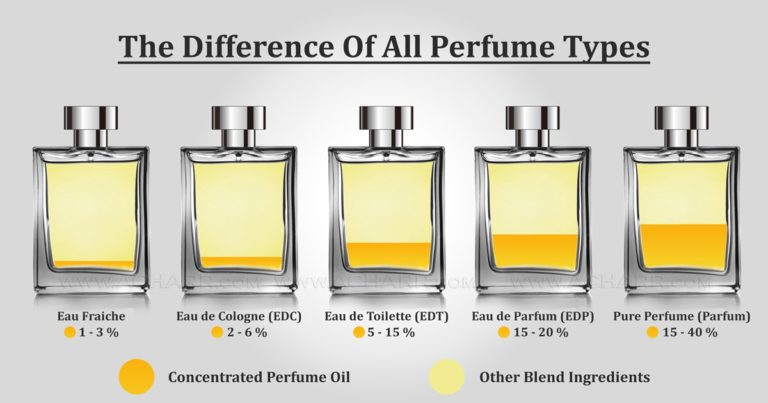
Why? Higher perfume oil concentration. More extrait de parfum (the strongest type). Heavier base notes. Richer materials that stick around.
If you've ever sprayed your Bleu de Chanel at 7am and couldn't smell it by lunch — this is why. It's not faulty. It's formulated that way.
4. Price
The ranges:
- Designer: £50-£150 for 100ml
- Niche: £100-£500+ for 100ml
At the top end, luxury niche (Roja, Clive Christian, Xerjoff's most exclusive lines) goes into four figures.
Is it worth it? That's personal. But here's the honest math: a £300 niche bottle that lasts 12 hours and uses you 4 sprays per wear will outlast a £90 designer bottle that needs 8 sprays and fades in 5 hours.
Cost per wear often flips the story.
5. Uniqueness
This is the one that hooked me (Daz) on niche in the first place.
Nobody else will be wearing your scent.
Walk into a bar. There's a 50% chance the last three guys you bumped into were wearing Sauvage, Bleu de Chanel, or Invictus. Incredible fragrances. Overworn.
A good niche scent is your fingerprint. People stop you. They ask what you're wearing. You become "the one who smells amazing."
That's the R3VIVE obsession in one sentence.
Which one is right for you?
Honest answer? Probably both.
Here's the cheat sheet:
Go designer when:
- You want one reliable fragrance that works in 90% of situations
- You're new to fragrance and want to build confidence
- You need something safe for the office
- Budget is tight and every quid matters
- You genuinely love the scent (that's always the only real reason)
Go niche when:
- You already have 2-3 designer staples and want to upgrade
- You want people to ask "what are you wearing?"
- You want longevity that lasts a full workday plus dinner
- You care about ingredients and craft
- You want a fragrance wardrobe, not just a fragrance
Our honest take (nobody else will tell you this)
Most fragrance content online treats this like a war. Team Designer vs Team Niche. Pick a side.
That's nonsense.
The best fragrance wardrobes mix both. A solid designer daily driver (something like Dior Homme Intense or YSL Y) for the 9-to-5. A niche statement scent (Parfums de Marly Layton, Francis Kurkdjian Oud Satin Mood) for dates, events, evenings out. Maybe a niche niche — something weird and brilliant like Nishane Hacivat or Xerjoff Naxos — for when you want to be remembered.
The mistake isn't choosing the wrong one. The mistake is only owning one bottle.
How to discover niche without blowing £200 on a guess
This is where most people get stuck. You can't test niche in Boots. The store assistant at House of Fraser will look blank if you ask for Amouage. You're not about to drop £280 on a full bottle because some guy on YouTube said it was amazing.
So what do you actually do?
Option 1: Decants. Small 2ml, 5ml, or 10ml sprays from niche bottles, sold individually. Fragrance decant sites in the UK include some great indies. Pro: cheap way to test. Con: limited selection, slow shipping, no curation.
Option 2: Discovery sets. Many niche houses now sell sample boxes. Buy direct from the brand, get 5-8 samples for £20-£50. Pro: authentic, generous sizes. Con: locked into one house at a time.
Option 3: A fragrance discovery membership. This is the one we're biased about — because we built it.
R3VIVE Vault is our take on the problem. £9 your first month, then £19/mo locked in for life gets Vault Insiders a curated box of niche-leaning fragrances every month, hand-picked by people who actually wear this stuff. Free Vault membership gets you early drop access, education, and the community. No pressure. No tie-in. Just a way to discover what else is out there without the guesswork.
👉 Start with free Vault membership — no card required.
👉 See what VIP Vault gets you — our best offer.
The real question
Here's what nobody tells you.
The fragrance world isn't "niche or designer." It's obvious or not obvious. It's "another guy wearing Sauvage" or "the person everyone remembers at the table."
Designer gets you dressed. Niche gets you noticed.
You need both. Start where you are. Upgrade when you're ready.
And if you want help figuring out where to start — that's literally what we do at R3VIVE. Pop your email in, join the free Vault, and let us show you what you've been missing.
FAQs
What's the difference between niche and designer fragrances?
Designer fragrances are mass-produced by fashion houses (Dior, Chanel, YSL) for broad appeal at £50-£150. Niche fragrances are made in small batches by dedicated perfume houses using rarer ingredients, priced £100-£500+, with stronger performance and more unusual scent profiles.
Are niche fragrances better quality than designer?
Often, yes — but not always. Niche houses typically use higher concentrations of perfume oil and rarer natural ingredients, which means better longevity and more complex scents. However, plenty of designer fragrances are extremely well-made. "Better" depends on what you value: reliability and accessibility (designer) or uniqueness and craft (niche).
How long do niche fragrances last compared to designer?
Niche fragrances typically last 8-24 hours on skin, while most designer fragrances last 4-6 hours. The difference comes from higher perfume oil concentration and richer base notes used in niche formulations.
Are niche fragrances worth the money?
If you calculate cost per wear, often yes. A £280 niche bottle that needs 3-4 sprays and lasts 12 hours can work out cheaper than a £90 designer bottle that needs 8 sprays and fades by lunch. That said, "worth it" is personal — some people fall in love with designer classics and never need anything more.
Where can I buy niche fragrances in the UK?
Niche fragrances are rarely sold in mainstream UK stores. You'll find them at specialist perfumeries (Bloom, Les Senteurs, Roullier White), select department stores (Harrods, Selfridges, Liberty), direct from the brand online, or through curated discovery memberships like R3VIVE Vault.
What are good starter niche fragrances for beginners?
Good starting points for UK beginners: Parfums de Marly Layton (versatile masculine), Maison Francis Kurkdjian Baccarat Rouge 540 (sweet, iconic), Xerjoff Naxos (gourmand crowd-pleaser), Jo Malone London (entry-level niche, widely available), and Nishane Hacivat (unique, fruity). These offer the "niche experience" without being too challenging for someone new to the category.
Enjoyed this guide? Join the free R3VIVE Vault for weekly drops, education, and early access to our VIP membership. Sign up here →
%20%E2%80%94%20safe,%20versatile,%20built%20for%20mass%20appeal,%20priced%20%C2%A350-%C2%A3150.%20Niche%20fragrances%20are%20made%20by%20dedica...)